Partnerships

Put people-powered removal to work where you need it.

People are already using Lantern Hunt to find and remove spotted lanternflies in six states. Partners can direct that kind of effort toward the species, places, and seasons that matter to them. Anything marked Proposal is a plan we want to build with partners, not a program that exists today.

Who we want to work with

Five kinds of partners.

Sponsors

Businesses and foundations

Fund a removal campaign in a region or season you choose and see the verified work it produced.

Land

Vineyards, farms, and landowners

Organize removal on and around your property, with a reviewed record of what was done and where.

Conservation

Conservation organizations

Give volunteers a structured way to act and document results alongside your existing programs.

Public sector

Government agencies

Pilot community removal within your rules and judge whether the records are useful to your program.

Community

Schools, universities, and community groups

Bring students, members, or neighbors into an organized hunt, with a shared record of what the group removed.

What we offer

What a partnership with Lantern Hunt includes.

Operating now

Community participation

A free iPhone app that lets anyone find, remove, and record an invasive species, with points, streaks, and a leaderboard to keep people going.

Operating now

Education and engagement

In-app guides to every life stage, so participants know what to look for, when to look, and how to remove it safely.

Operating now

Photographic verification

Before and after photographs on every removal, each reviewed by a person before it counts. How review works

Operating now

Geographic records

Approved removals tied to a location, summarized by state and county without exposing anyone’s home. See the map

Proposal

Targeted campaigns

Campaigns with a defined area, season, and species, with outreach to bring residents, growers, students, and visitors into the effort, and reports drawn from reviewed records.

Proposal

Sponsored incentives

Payments for verified removals, funded by a partner and set by species, life stage, location, and season. How it would work

Proposal

How a sponsored incentive would work.

Today, participants earn points for verified removals. The proposal is to let a partner add a cash reward. A county parks department, for example, could offer a set payment for each verified spotted lanternfly egg mass destroyed in its parks between November and April.

  1. 01

    The partner sets the terms

    Which species, which area, which dates, and a total budget.

  2. 02

    Rates follow priorities

    The partner can pay more for the removals it cares about most, as described below.

  3. 03

    Participants hunt as usual

    They remove, photograph, and submit through the app. A reviewer approves or rejects each submission.

  4. 04

    Approved removals are paid

    Payments go only to approved removals inside the campaign’s terms, and the partner receives a report and map of the results.

What rates could depend on

Species

What is removed

Higher rates for the species a funder is targeting, or for one newly arrived in a region.

Life stage

When in its life

More for an egg mass than an adult, since one egg mass holds 30 to 50 eggs.

Location

Where it happens

Premiums inside priority areas, such as a vineyard edge, a park, a watershed, or the leading edge of an infestation.

Season

When it matters most

Rates that rise in the weeks when removal does the most good, such as egg-mass season before spring hatch.

Variable payments are an established approach. Florida pays its python contractors more for longer snakes and a separate amount for nests. More examples.

Species portfolio

Six species, one approach.

The spotted lanternfly program is running now. The other five are species we would like to build programs for with partners. Each is harmful, safe for ordinary people to remove under the right conditions, and easy to identify. Our five tests

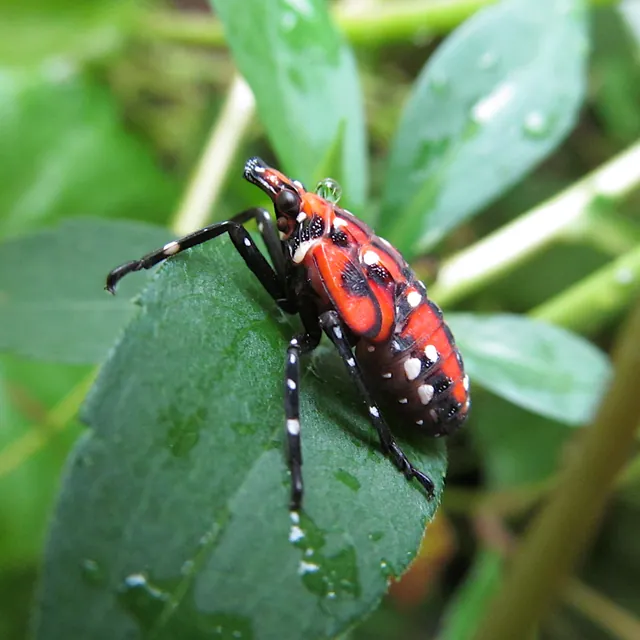
A red, black, and white late-stage spotted lanternfly nymph on a leaf.
Operating nowInsect · 19 states and D.C.

Spotted lanternfly

Lantern Hunt’s working program. Partners could sponsor egg-mass drives in fall and winter, organize hunts on vineyards and orchards, or bring a school or park into the effort.

Example: vineyards

Credit
Bright yellow flowers on the green stems of a Scotch broom shrub.
PotentialPlant · Pacific Northwest

Scotch broom

Pull campaigns with land trusts, parks departments, and utilities along trails, prairies, and rights-of-way, timed before the plants set seed and recorded plant by plant.

Credit
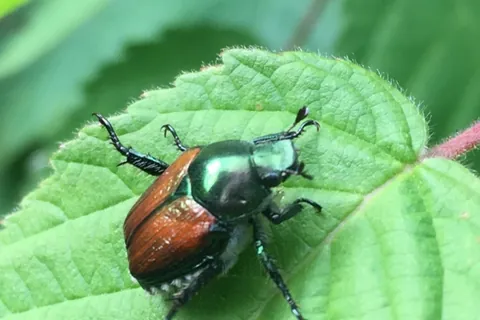
A metallic green Japanese beetle with copper wing covers on a leaf.
PotentialInsect · Washington State

Japanese beetle

Hand-picking campaigns for gardeners, growers, and residents, coordinated with Washington’s eradication program and giving the state a record of where beetles are being found.

Credit
Small white four-petaled flowers of garlic mustard above green woodland leaves.
PotentialPlant · Eastern United States

Garlic mustard

Spring pull campaigns with conservation groups, schools, and volunteers in woodlands and preserves, April through June, before the plants go to seed.

Credit
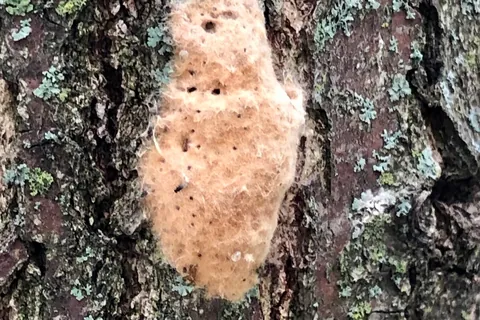
A fuzzy tan spongy moth egg mass on lichen-covered tree bark.
PotentialInsect · Where established

Spongy moth egg masses

Winter egg-mass scraping campaigns with towns, homeowner associations, and park systems in regions where the moth is established, between mid-October and mid-April.

Credit
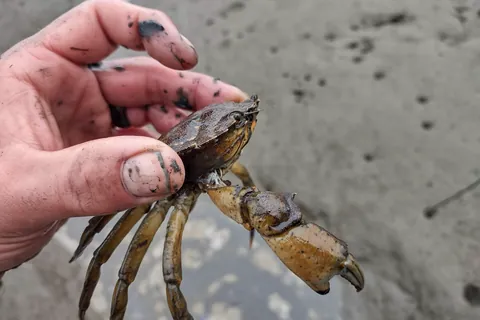
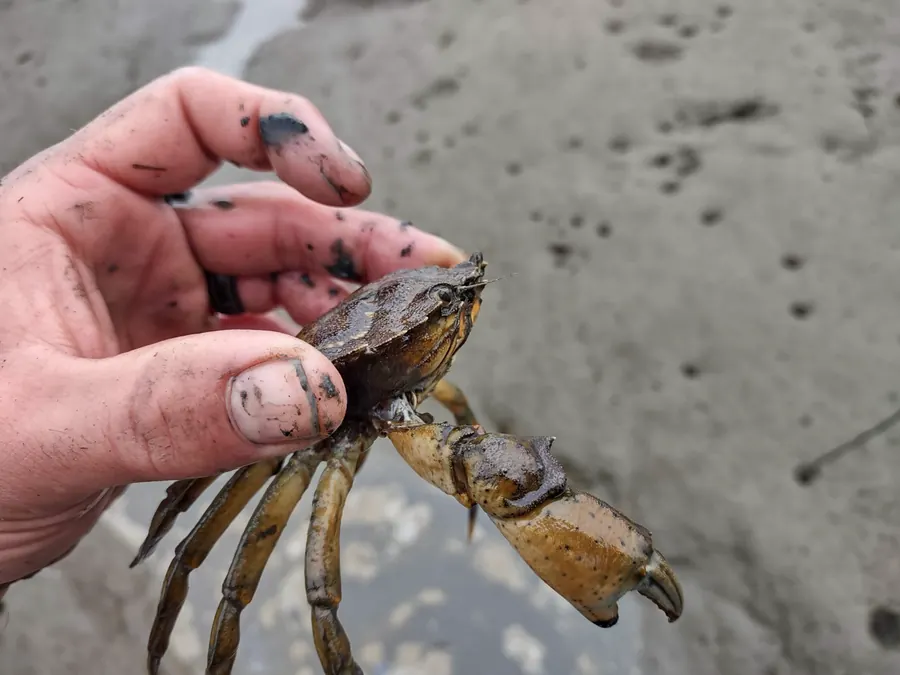
A hand holding a European green crab above a tidal mudflat.
PotentialAnimal · Pacific Northwest

European green crab

Support for authorized trapping in Washington, subject to state permits and trapping rules, working with the Department of Fish and Wildlife, tribes, and shellfish growers.

Example: Washington State

Credit

Two examples in detail

What a program could look like.

These two are worked out further than the others. They are proposals, with no agreements in place, and the same planning would apply to any of the six species.

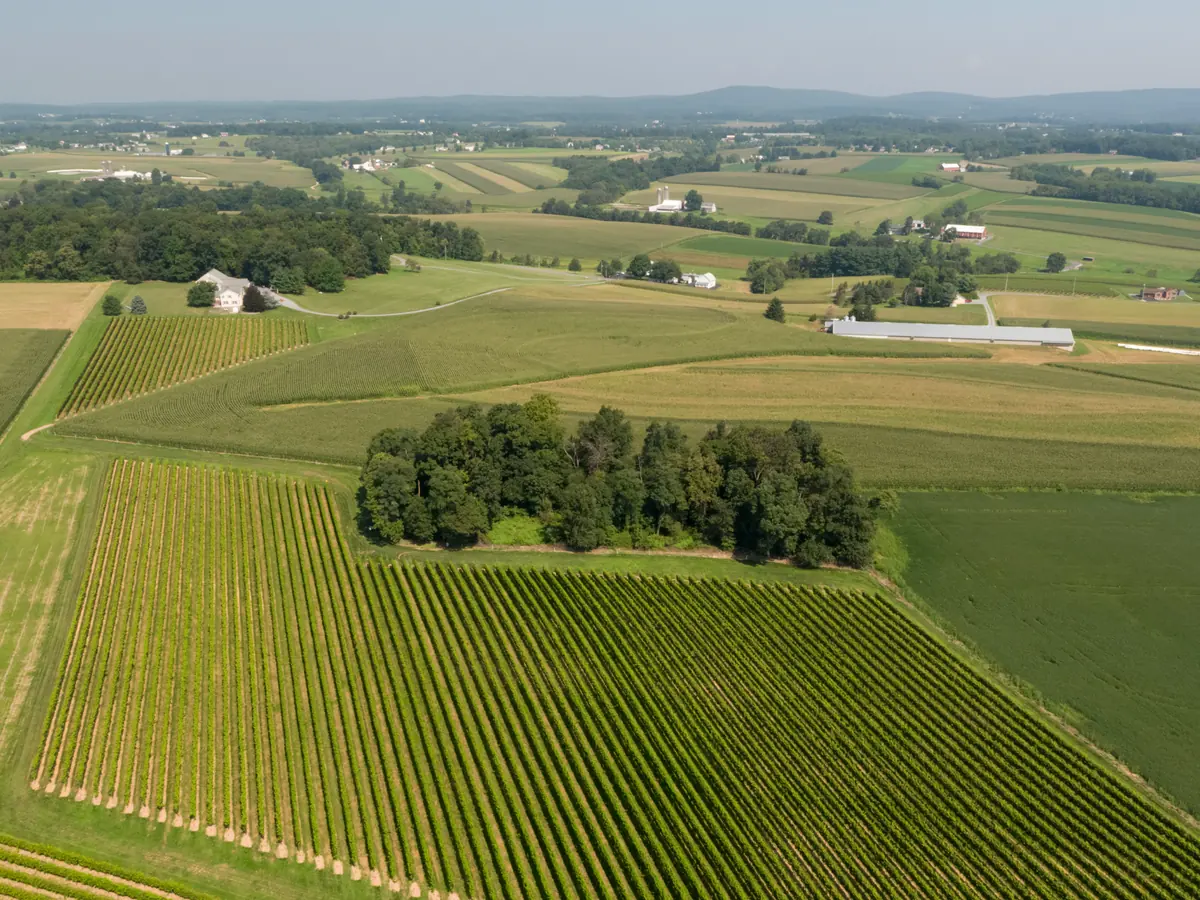
Aerial view of vineyard rows beside a farmhouse and woodland in Pennsylvania.
Proposal

Vineyards and the spotted lanternfly

Grapevines are among the spotted lanternfly’s hosts, according to USDA APHIS, and grape growers are among the hardest hit. Vineyards in affected areas have a direct stake in removal on and around their land.

The proposal: work with vineyards to organize removal in the seasons that matter most, using Lantern Hunt to document the work, with the option of sponsor-funded incentives for participants.

What we would work out with a vineyard

  • Where removal would happen, and who may enter the property
  • How to target egg masses from fall through spring and adults from mid-summer
  • How results would be reported back, and how often

Sources: USDA APHIS; Penn State. A Pennsylvania vineyard, shown for illustration; not a Lantern Hunt partner. Photo credit

A hand holding a European green crab above a tidal mudflat.
Proposal

European green crab in Washington State

In January 2022, Washington’s governor issued an emergency proclamation directing the Department of Fish and Wildlife to eradicate, reduce, or contain European green crab. WDFW reports roughly 1.74 million green crabs removed from Washington waters between January 2022 and March 2025.

The proposal: explore whether verified removal records could support existing trapping and monitoring, in coordination with WDFW, tribes, shellfish growers, and other permitted partners.

How we would approach it

  • Work within Washington’s rules on handling and trapping green crab, rather than as open public trapping
  • Start from what current removal programs need
  • Test whether verified records add value before proposing incentives

Source: WDFW quarterly progress report, spring 2025. Photo credit
Start a conversation

Tell us where invasive species are a problem for you.

Include who you are, the place and species involved, and what a good outcome would look like.

Email

partners@lanternhunt.org